One of the characteristics of a tv sitcom very noticeable in almost all tv sitcoms is the lesson characteristic. Almost every episode of every sitcom ever created has a lesson associated along each episode.
For example, in Everybody Loves Raymond there is an episode entitled "The Wallpaper" where Ray's parents drive a car through his front door. They end up paying for the damages, yet Ray isn't happy cause the wallpaper on the new wall doesn't match the original one. He gets pissed and his dad, Frank, declines to pay a cent more than he has too. After a while they reconcile and leave it be.
The whole moral of the story was about many things most noticeably greed and being too picky. TV sitcoms are usually based on the family life. And with family life sometimes comes family situations and family troubles. It is interesting to see these problems played out on tv. It kinda makes people go back and say "I remember when that happened in my life, I didn't see how it was funny then, but I do now". Sitcoms take a light look on the situation, highlight the funny, and solve the problem in the end. It's a classic formula and doesn't show signs of stopping anytime soon, and I couldn't see it better any other way.
Pics from: http://i.cdn.turner.com/v5cache/TBS/Images/Dynamic/i23/elr_episode100_337x233_032720061525.jpg
http://sharetv.org/images/guide/198603.jpg
https://blogger.googleusercontent.com/img/b/R29vZ2xl/AVvXsEgPknGHnRp2cLaba2AQH2A7XnVA5xjSIiT6MsVYk9WgdromhGNi35OcWBTPIljSjFI8pfmXc-t2RraFsBCxPO4EA7qQwdH4MF3w3uoo5fL8RxEhJ7KF5fZ_WU6hQ-YvM3DpGPqRhsqD_7Y/s1600/ray.jpg
Thursday, October 21, 2010
Sunday, October 17, 2010
Star Wars "Binary Sunset" shots
In Star Wars "A New Hope" there is one scene in particular that I really love because it tells a story all it's own in about 35 seconds with no dialogue, only emotion played out through the kind of shots George Lucas used. This scene comes almost halfway through the movie and really let's the viewer know what Luke is feeling.
The shot I am going to explain is the Binary Sunset scene in Star Wars. Basically Luke gets out of the house and looks at the two suns setting in the sky. It doesn't seem like a big deal but when you watch it it feels like something much more is happening on a deeper level.
Long Shot: George Lucas opens up the scene with an isolated house in the Tattoine Desert and with two suns setting, Luke simply walks out of the house. The descriptive meaning of this scene is simply telling us where the scene is taking place, which is in Tattoine. But on a deeper level as Luke is standing by just watching the sunset he is alone. There is a sense of loneliness with the backdrop of the two suns and Luke just standing there, watching his dreams set along with the suns.
Medium Shot: The medium shot in this case is with the two suns. As it goes from Luke back to the two suns, the suns represent the dreams and aspirations of a young farm boy, who wants more from life and knows deep in his heart that he is called to be a part of something bigger than himself.
Close-Up Shot: The close up is of Luke looking into the sky. Obviously, it clarifies that it is Luke that is in the scene. As Luke looks away, you can easily tell he is sad, lonely, upset, and disappointed with the way his life looks to be going. The immense sky paints a picture that represents how big the universe is and how small Luke is in this vast world. Yet, those two suns are there to represent that something is out there for him, yet until that day comes it is back to life as he knows it.
Pics from: http://upload.wikimedia.org/wikipedia/en/thumb/7/72/SW_binary_sunset.png/290px-SW_binary_sunset.png
http://farm1.static.flickr.com/25/37402266_d23edfe6c8.jpg
https://blogger.googleusercontent.com/img/b/R29vZ2xl/AVvXsEg7tZlMiaIR5V5YG2XOR5rUcuF3bVbftJ7GIcOo7TlrRnodN19Z_BMRdesGsCcPtvxx-pZgVg1e8_28NLQ3YUv5qEVzVyc4eOH0kjpFJjSfoatoKhTMeg01gj1CC1rC2NfuaJAksLnhV6w/s1600/Luke__skywalker.jpg
Friday, October 8, 2010
The Studio System
The Studio System of Classic Hollywood was a very unique and all-in-one process. The most interesting aspect of how they made movies back then at least to me was how everyone in the movie business was on a contract with the movie studios.
Being on contract meant that the people who were signed on to a particular studio like MGM, meant that they could only work on the MGM movies assigned to them for a certain number of years or movies.
This was a very important piece to the puzzle that is the movie industry. This meant that the studios would have certain actors that the general public liked very much. Usually these stars came associated with specific genres of film like a musical, gangster, or crime film. So the studios would cater to whatever was working at the time, with whoever was the hottest actor or actors of the day. And because they were on a contract they had to do it.
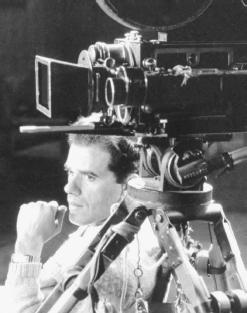
This was the case with Frank Capra and many others. In Frank Capra's case, from 1934-1946 he directed four films including It's a Wonderful Life, all under contract for Columbia Pictures. Without the contract to make the films he was supposed to make, there would not be many of the classic movies of the Golden Era of Hollywood.
Pic from: http://www.filmreference.com/images/sjff_02_img0600.jpg
Sunday, October 3, 2010
All In the Family and Everybody Loves Raymond
Television comedies have changed in many ways by the decades it seems. And as shows change along with the world, so does the situations and mentalities displayed in each episode. All and the Family and Everybody Loves Raymond are different in many ways and are the same in some.
Everybody Loves Raymond does not deal with gender roles and gender discrimination as much as shows like All in the Family does. As the times change and women become more independent than they were in the 70's so does their portrayal in television sitcoms.
One reason why Everybody Loves Raymond is different from All in the Family is that Everybody Loves Raymond is more acceptable with certain views of life that All in the Family was. For instance, as Archie was totally against the homosexual way of life, he reflected a harsh view upon a percentage of people. Everybody Loves Raymond doesn't quite contain the harsh tone towards something like homosexuality. As the times change and ways of life become acceptable, so does the portrayal in television sitcoms like Everybody Loves Raymond. These two shows are similar in the way that they both bring up topics in there episodes that deal with modern issues like accepting homosexuality, but are different in that one displays a level of acceptance and the other not so much.
pics from:https://blogger.googleusercontent.com/img/b/R29vZ2xl/AVvXsEg9tVFPF-30IGOgAqAarRBCjhD49f2oa496msWd80rpFgF-xsSYilhD7YLZ5xMHZnxcBFATXpE55UaCZ-8V0Zih7_i01IHG1L1Yht0xBqLcGrJSr9aRqEv_rW_Jc9Q7yabSPpR7bcsqZ2A/s320/norman+all+in+the+family%5D.jpg
http://tvbythenumbers.com/wp-content/uploads/2010/03/Everybody-Loves-Raymond.jpg
Friday, September 24, 2010
Audience Demand for Radio
I believe that the most influential force in shaping the booming of the radio in the 1920's was a mix of technological advancements and the overall demand of radio from the audience. These factors allowed radio to become an intricate part of America. For a while, nobody really knew the great things radio could do for a country.
People began demanding radio because it was such an advancement in terms of technology. They had never had something like this. They got all the latest news, stories, etc. Entertainment was a big part of radio as music became an outlet for emotion and feeling. People began living their lives around the radio and so happens the radio industry. All of this would not have been possible without the technology it encompassed. Because people developed ways to communicate through wires is the biggest reason why the radio industry grew to huge levels.
Because a large part of America was listening to the radio, advertisers saw this as a perfect opportunity to get across to consumers. Thus, the radio evolution began when money got involved. Broadcast networking gave the people a chance to listen to what they wanted to while receiving ads for the latest products in between the news and their favorite programs. The radio revolution began with technological advancements and an overall demand from the audience.
Pic from:http://static.howstuffworks.com/gif/radio-show-1.jpg
Saturday, September 18, 2010
The Social Learning Theory
I think the concept of the social learning theory helped me understand the screenings of Tough Guise/Killing Us Softly even more than I would have. The social learning theory is the theory that people become what they see on the tv, computer, or even cell phone screen. The social learning theory cultivated over time since the start of television and media and extends to us even now. The behavior of the characters of their favorite show influence the viewer so much that they slowly but surely start to act, behave and become just like what they watch. When you really think about it, it kind of happens without us really even knowing about or even realizing the changes in our overall mood or behavior.
My childhood friends were always into wrestling and WWF. They would watch it all the time. Me, not so much. I was way too much into star wars and science fiction in general. But as we grew up I started seeing a significant change in how they acted.They were no longer my cool friends that I would play with at recess, but the bullies that caused all the trouble in school. My guess is that as they grew, watching tv and the violence of wresting looked cool to them and that exuded onto their behavioral patterns. Whatever it was, I didn't want to be associated with those troublemakers or else my mom would have smacked the "force" out of me.
The lecture and the readings made me realize that what we watch can influence our own lives. It is good to not overanalyze things we see on the screen. The social learning theory can explain many patterns in society all together, just like it did for me in my childhood.
Pics from:
http://blogs.smarter.com/blogs/guests/080125-bully-vmed1pwidec.jpg
http://weblogs.wpix.com/sports/thehuddle/image/WWE%20RAW%20PIC.jpg
Sunday, September 12, 2010
Agenda Setting Uncovered
I think the concept of agenda setting helped me understand the 2008 Presidential Election even more than I had before by allowing me to look beyond emotions and at the true issues going on during the election. Agenda setting is a tool the media or a candidate uses to influence what the viewer thinks about. Through agenda setting, most of the stories, articles, headlines, etc. will focus on an issue the media/candidate wants covered. By putting a spotlight on a certain issue the media/candidate outlets gain control of a person's mindset when that person makes conversation, and most importantly, decisions.
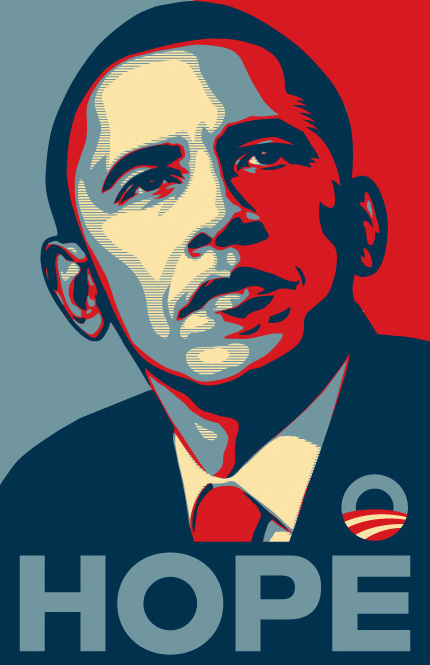
This is exactly what happened in the 2008 Presidential Election. Emotions played a significant part in the election. The media focused on Barack Obama potentially becoming the 1st African-American President, and harped on the change and hope he would bring to a country whose current leader who was not too cool with the people. This is actually what Obama's campaign was all about, not focusing on the issues of the day like the War in Iraq or the economy or recycling, but the intended "hope" he would bring back to America. Obama's campaign sparked what American's talked about and ultimately they thought of when placing there ballots in the voting booths.
With strategies like agenda setting, the media and certain candidates have the power to sway the people to come on in and join there vote. Going into the voting booths with a clear vision on the "real" issues of the world can be hard when the media is only showing what they want. That is why making the right judgement is key when making a decision that might just might change your way of life.
Photos from:
http://techbuddha.files.wordpress.com/2009/01/obama-hope.jpg
http://evilvince.com/wp-content/uploads/2008/11/barack_obama_change_fairey.jpg
http://www.kpao.org/blog/2008/12/20/hope-change-obama.gif
Subscribe to:
Posts (Atom)